


Negrito
Malaysia
This Negrito Indigenous Traditional Knowledge Database was developed to
document the traditional knowledge data of the Negrito Indigenous community

Negrito
Malaysia
This Negrito Indigenous Traditional Knowledge Database was developed to
document the traditional knowledge data of the Negrito Indigenous community

Negrito
Malaysia
This Negrito Indigenous Traditional Knowledge Database was developed to
document the traditional knowledge data of the Negrito Indigenous community

Negrito
Malaysia
This Negrito Indigenous Traditional Knowledge Database was developed to
document the traditional knowledge data of the Negrito Indigenous community

Negrito
Malaysia
This Negrito Indigenous Traditional Knowledge Database was developed to
document the traditional knowledge data of the Negrito Indigenous community

Negrito
Malaysia
This Negrito Indigenous Traditional Knowledge Database was developed to
document the traditional knowledge data of the Negrito Indigenous community

Negrito
Malaysia
This Negrito Indigenous Traditional Knowledge Database was developed to
document the traditional knowledge data of the Negrito Indigenous community
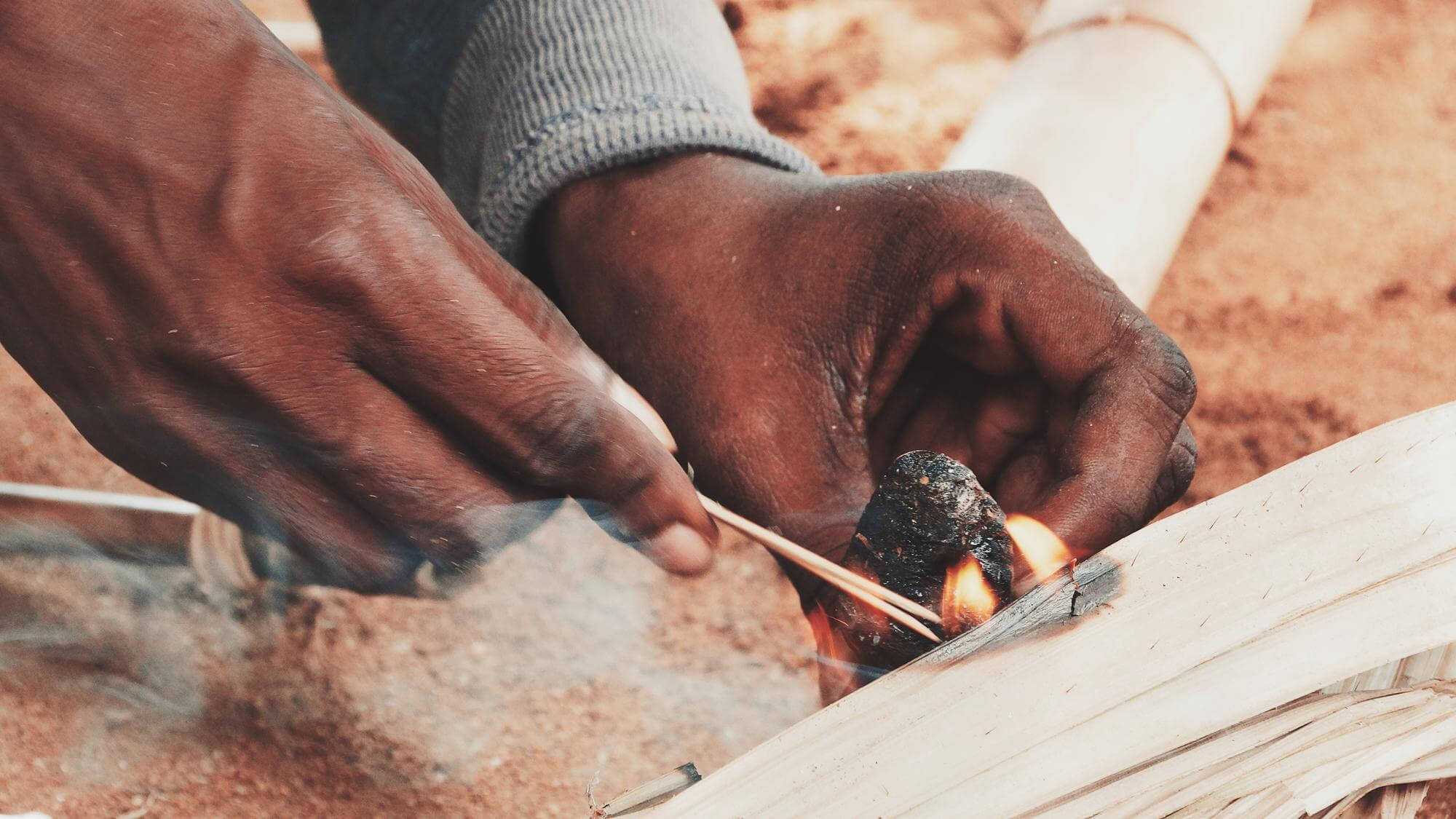
Negrito
Malaysia
This Negrito Indigenous Traditional Knowledge Database was developed to
document the traditional knowledge data of the Negrito Indigenous community
Our Research
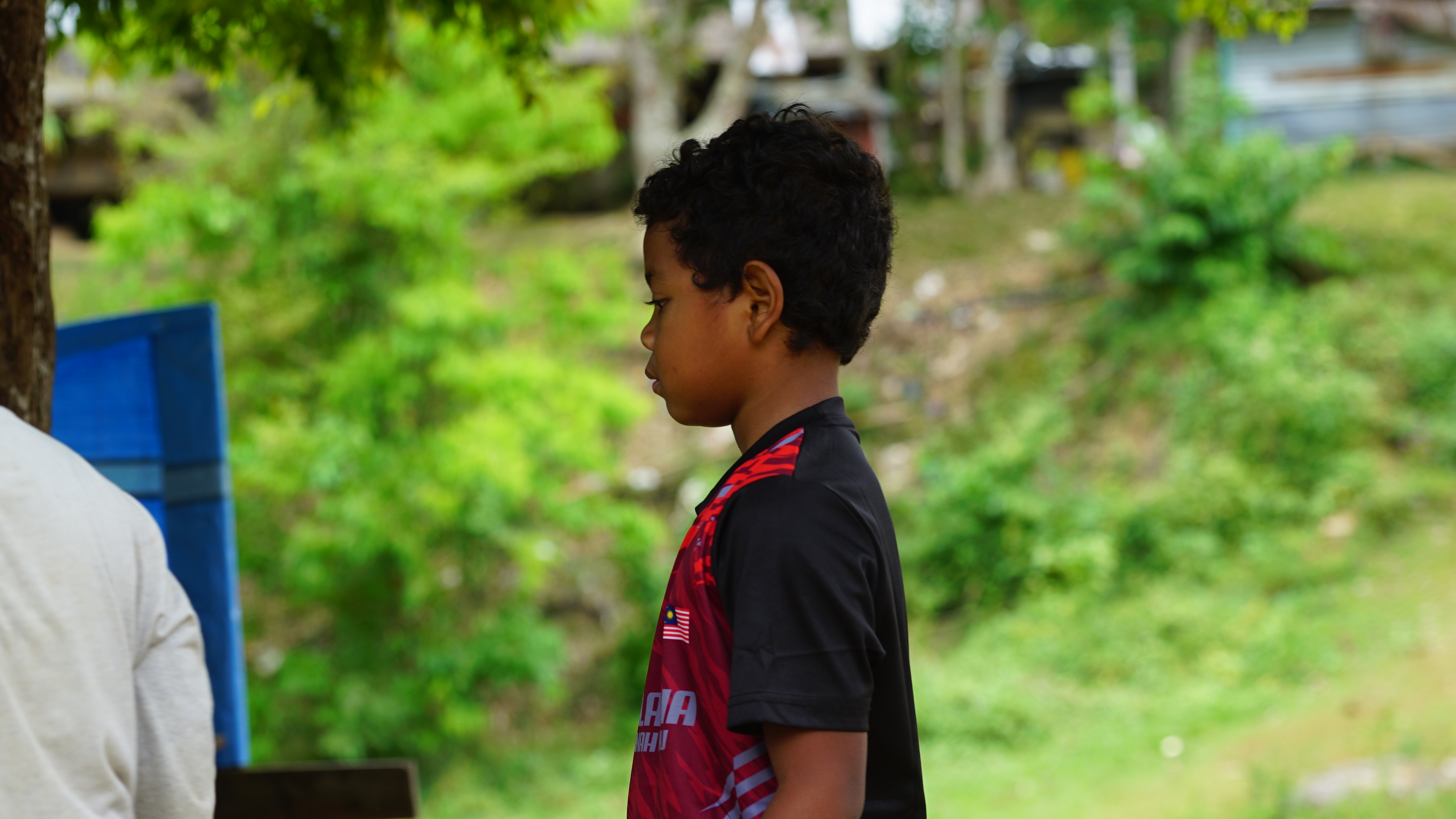
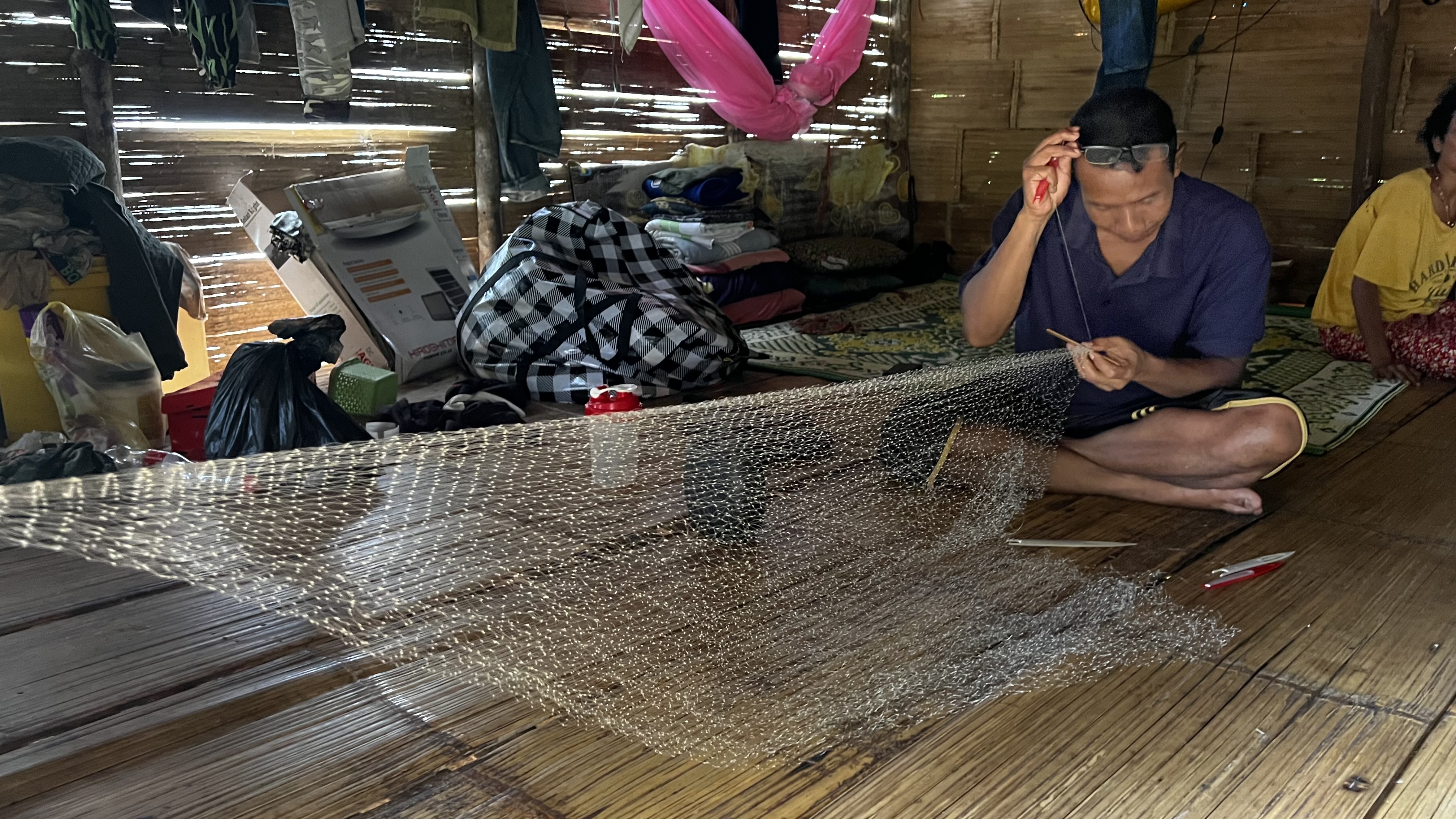
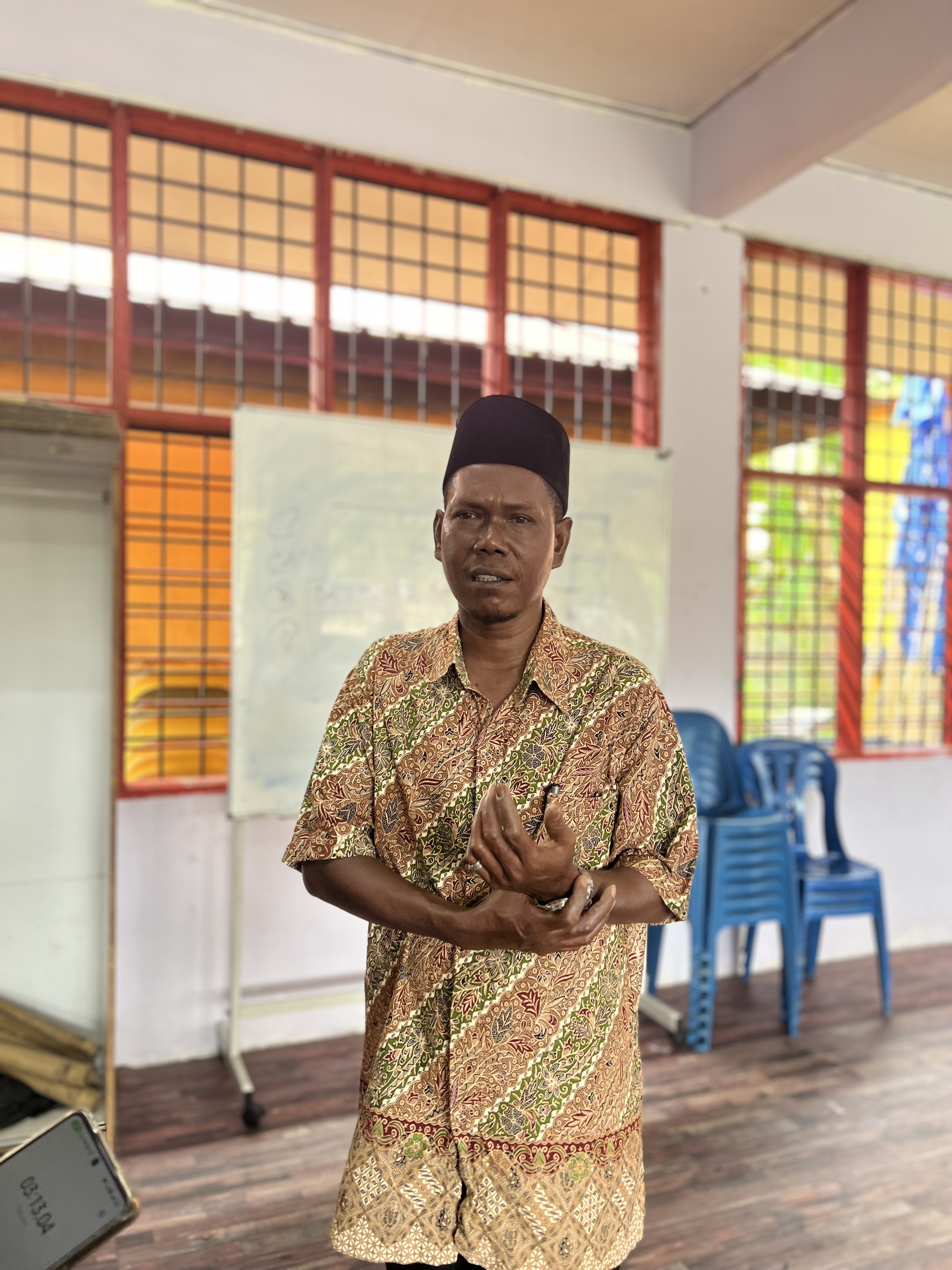
This traditional knowledge data was collected through the Orang Asli Negrito research project under the FRGS grant (FP116-2020). This database includes the unique traditional, cultural and social knowledge practiced and held by the Orang Asli Negrito which consists of six communities namely Bateq, Jahai, Kensiu, Kintak, Lanoh and Mendriq. This traditional knowledge is documented from the Orang Asli Negrito community from the Orang Asli Negrito villages: Gua Musang, Kelantan, Baling, Kedah, Hulu Perak, Perak.
Negrito Malaysia
Negrito Malaysia
The Bateq tribe is an indigenous people from the Negrito tribe found in Kelantan and Pahang. Their number is not many, around 1516 people. They live in tropical rainforests, especially in Malaysia's National Parks. The Bateq tribe lives in family groups, in small huts or tents. The number of families is around 10 families only. They believe in being custodians of the land and not as owners of the land. They live a nomadic life due to logging and development activities.
The Jahai are one of the indigenous sub-groups of the Negrito ethnic group found in the states of Perak and Kelantan, Malaysia. They are also referred to as the Semang people in some academic studies. The Jahai tribe represents one of the smallest Negrito sub-groups compared to the Senoi and Proto-Malay (Aboriginal Malay) groups. They primarily reside in the state of Perak, particularly in the Hulu Perak region, including areas such as Banun, Sungai Tiang, and along the shores of the Temengor Dam. In the state of Kelantan, the Jahai tribe is primarily located in the Sungai Rual, area od Jeli.
The Kensiu are one of the six communities under the Negrito group. The Kensiu community can be found in the northern part of Malaysia, particularly in Kampung Lubok Legong, Baling, Kedah. A portion of the Kensiu community also resides in the southern part of Thailand, specifically in the Yala district. The Kensiu community in Kedah is the only remaining Kensiu group that still exists in Malaysia. Originally, the Kensiu people lived a nomadic lifestyle similar to other Negrito communities. Today, they have established a permanent settlement in Kampung Lubok Legong under the Resettlement Plan Scheme (RPS) project. Physically, the Kensiu people closely resemble other Negrito groups, characterized by round eyes, a broad nose, and curly hair
The Kintak are one of the subgroups within the Negrito cluster. Historically, they practised a nomadic lifestyle in search of food sources (JAKOA, 2023). However, with the establishment of the Resettlement Plan Scheme (RPS), the Kintak community now has a permanent settlement in Kampung Bukit Asu, Hulu Perak. Compared to the Jahai subgroup, the Kintak population is relatively small, numbering around 203 individuals (JAKOA, 2023). In terms of physical characteristics, the Kintak and Kensiu display notable similarities, and the languages spoken by both groups are also closely related compared to other Negrito subgroups.
The Lanoh are one of the subgroups within the Negrito cluster. They inhabit the interior regions of Hulu Perak, specifically in Kampung Air Bah, Lenggong. Prior to the establishment of permanent settlements, the Lanoh community practised a nomadic lifestyle in search of food sources. However, following the government's focus on the development of the Orang Asli communities, they now have their own permanent settlements, comparable to those of the wider society.
In Gua Musang, there is an Orang Asli settlement known as the Mendriq community. The Mendriq are one of the subgroups within the Negrito cluster. Like other Negrito subgroups, the Mendriq community traditionally practised a nomadic lifestyle, moving from place to place in search of suitable areas for cultivation or food sources. However, since the implementation of the Resettlement Plan Scheme (RPS), they now have their own permanent settlement.
Koleksi Penyelidikan
.png)

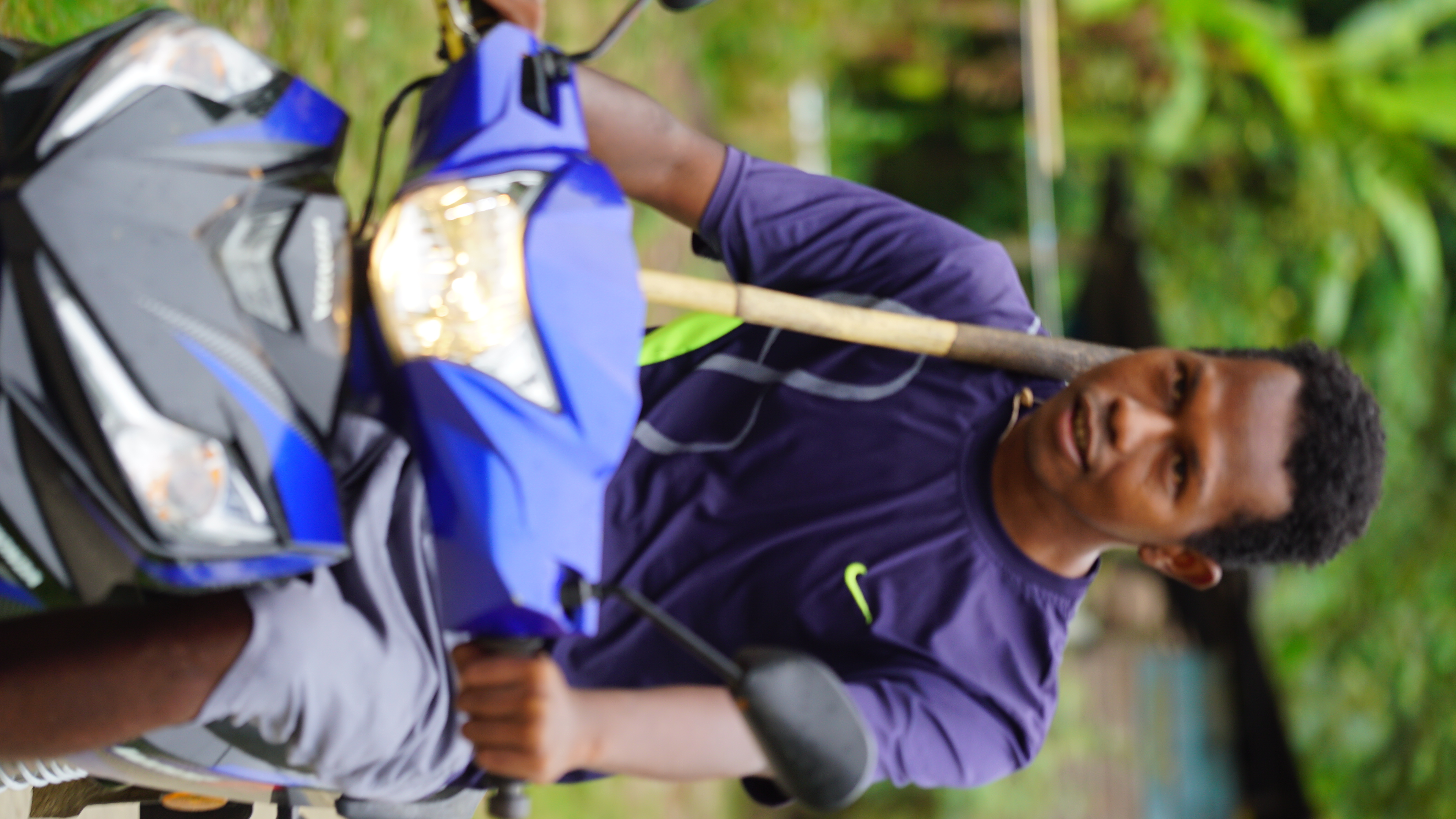


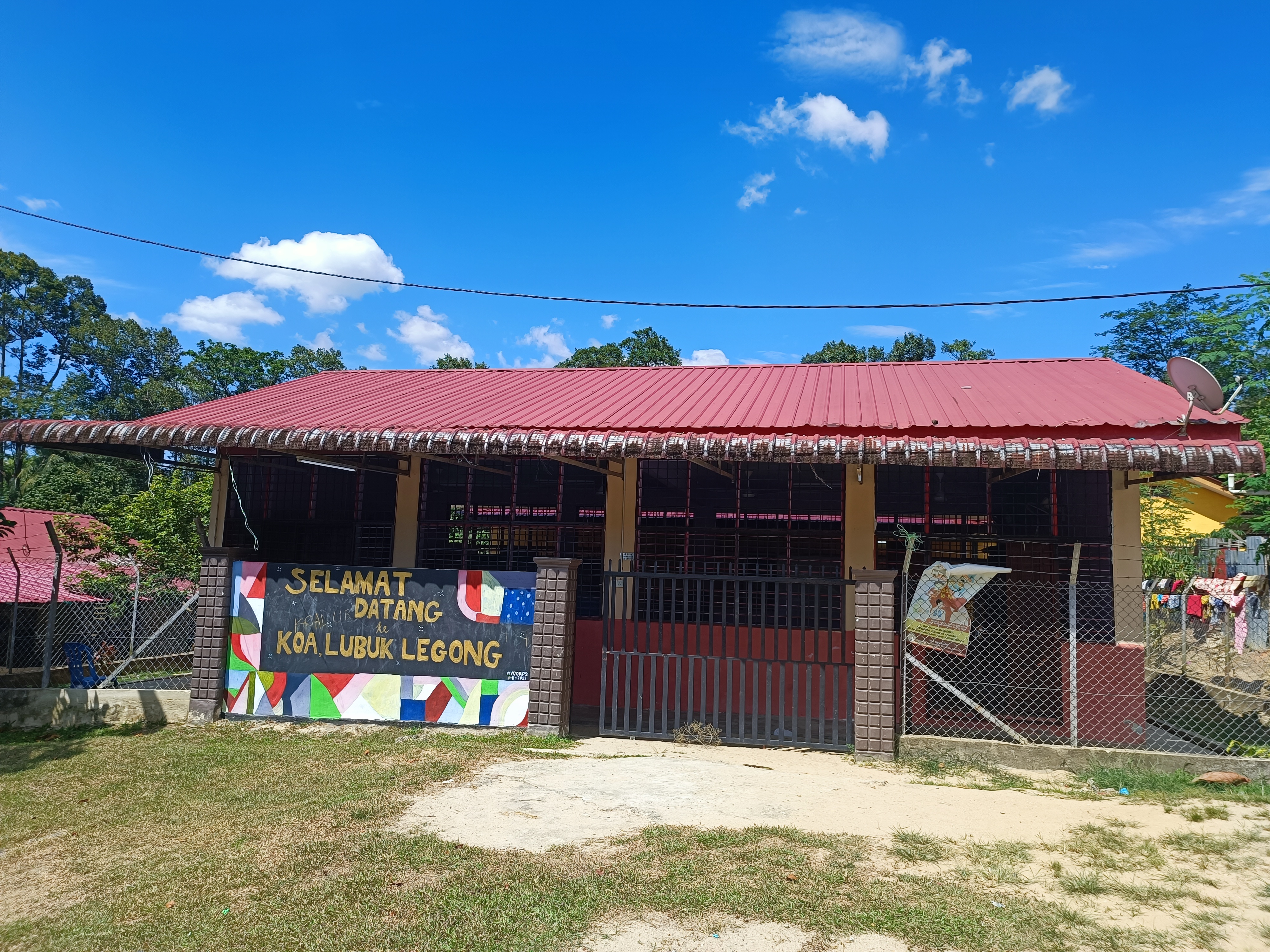


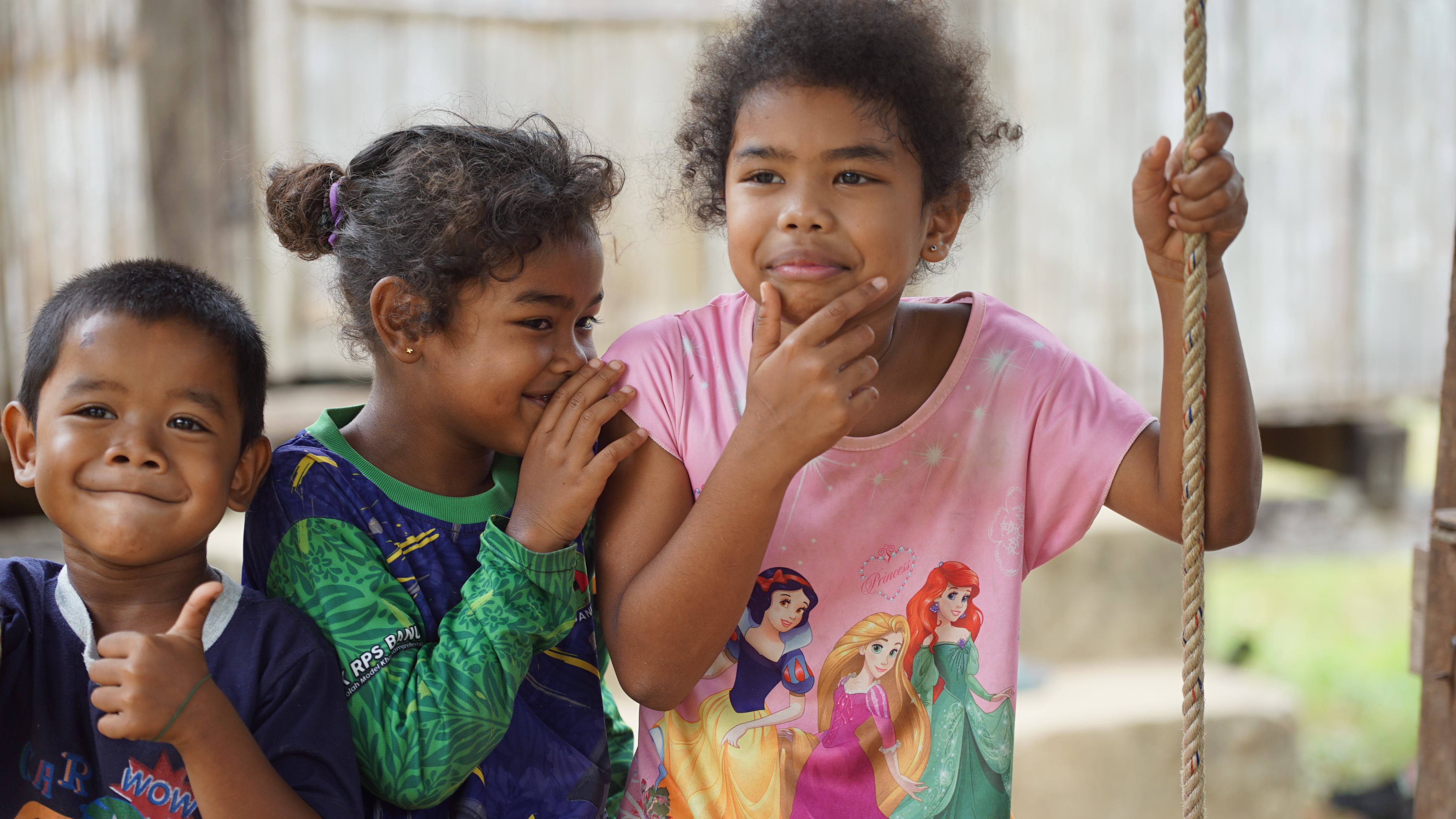
.png)


.png)
Other Resources
| No | Publication | Publication Date | Type |
Appreciation
Thank you to all the agencies and individuals who have contributed greatly to this research. The success of this project would not have been possible without the continued help and support of the parties involved. Your contribution not only helps in supporting new discoveries and knowledge, but also strengthens collaboration in the research community. Many thanks to the Ministry of Higher Education (KPT) for funding under the Basic Research Grant Scheme (FRGS) FRGS (FP116-2020).
Kumpulan Kami
Department of Asian and European Languages
Faculty of Languages and Linguistics
Universiti Malaya
Department of Information Systems
Faculty of Computer Science and Information Technology
Universiti Malaya
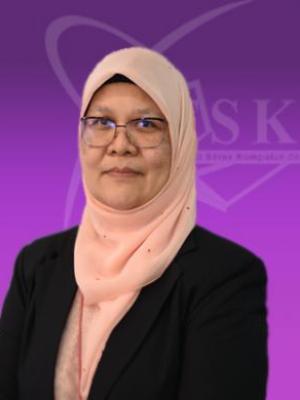
Department of Social Administration and Justice,
Faculty of Arts and Social Sciences,
Universiti Malaya
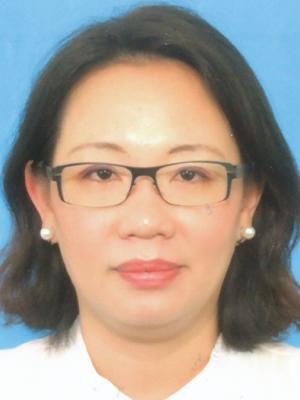
Department of Social Administration and Justice,
Faculty of Arts and Social Sciences,
Universiti Malaya
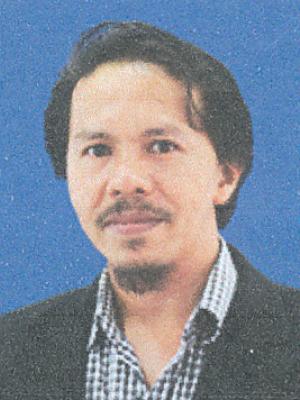
Department of English Language,
Faculty of Languages and Linguistics
Universiti Malaya

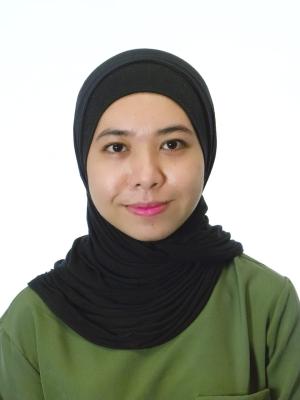
Department of Social Administration and Justice,
Faculty of Arts and Social Sciences,
Universiti Malaya
7
Community
Covering the largest ethnic group from 7 states in Malaysia
525
Research Collections
A research collection consisting of photographs from the Negrito tribe
4
Research Articles
Our research has published articles in international journals and proceedings
2051
Visitor
2051 Website visitors since January 2024
Hubungi Kami
LOKASI
University of Malaya.